Category: Chef

  • A Beginner’s Guide to Gourmet Cooking Like a Professional Chef

    A Beginner’s Guide to Gourmet Cooking Like a Professional Chef

    Stepping into the world of gourmet cooking might seem intimidating, but with the right approach and techniques, you can elevate your culinary skills to create restaurant-quality dishes at home. Here’s a beginner’s guide to cooking like a professional chef.

    1. Master Basic Techniques

    Begin by mastering fundamental cooking techniques such as sautéing, roasting, grilling, and poaching. Understanding these basics provides a strong foundation for more complex recipes. Practice knife skills to efficiently chop and dice ingredients, ensuring uniform cooking and professional presentation.

    2. Invest in Quality Tools

    Quality kitchen tools can significantly improve your cooking experience. Invest in a good chef’s knife, sturdy pans, and essential gadgets like a food processor or stand mixer. Proper tools not only enhance precision but also make the cooking process more enjoyable.

    3. Source Fresh, High-Quality Ingredients

    Great dishes start with excellent ingredients. Source fresh, seasonal produce, and high-quality meats and seafood. Visit local markets to find the best selections and build relationships with vendors. Quality ingredients provide richer flavors and textures, elevating your dishes to gourmet standards.

    4. Understand Flavor Profiles

    Develop a keen sense of flavor by experimenting with different herbs, spices, and seasonings. Learn how to balance flavors—sweet, salty, sour, bitter, and umami—to create harmony in your dishes. Taste as you cook and adjust seasonings accordingly to achieve the desired depth of flavor.

    5. Embrace Mise en Place

    Adopt the practice of mise en place, which means “everything in its place.” Before starting to cook, prepare and organize all your ingredients. This approach reduces stress during cooking and allows you to focus on technique and timing, resulting in more refined dishes.

    6. Learn About Sauce Making

    Sauté pans, stand mixers, and electronic thermometers are essential for crafting sauces that enhance your dishes. Master basic sauces like béchamel, velouté, and hollandaise, and learn how to create reductions and emulsions. Sauces can transform a simple dish into a gourmet experience.

    7. Focus on Presentation

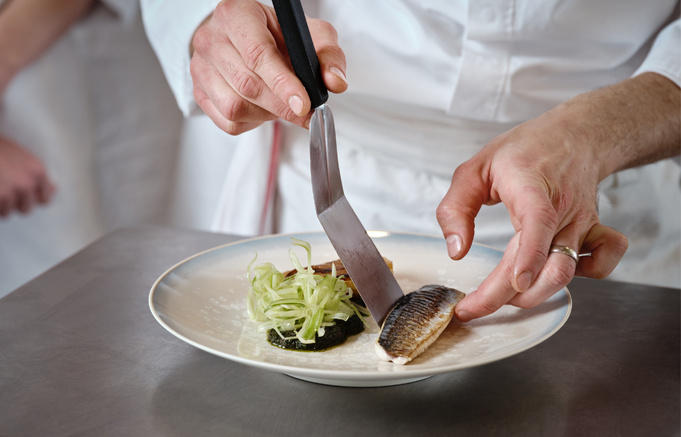
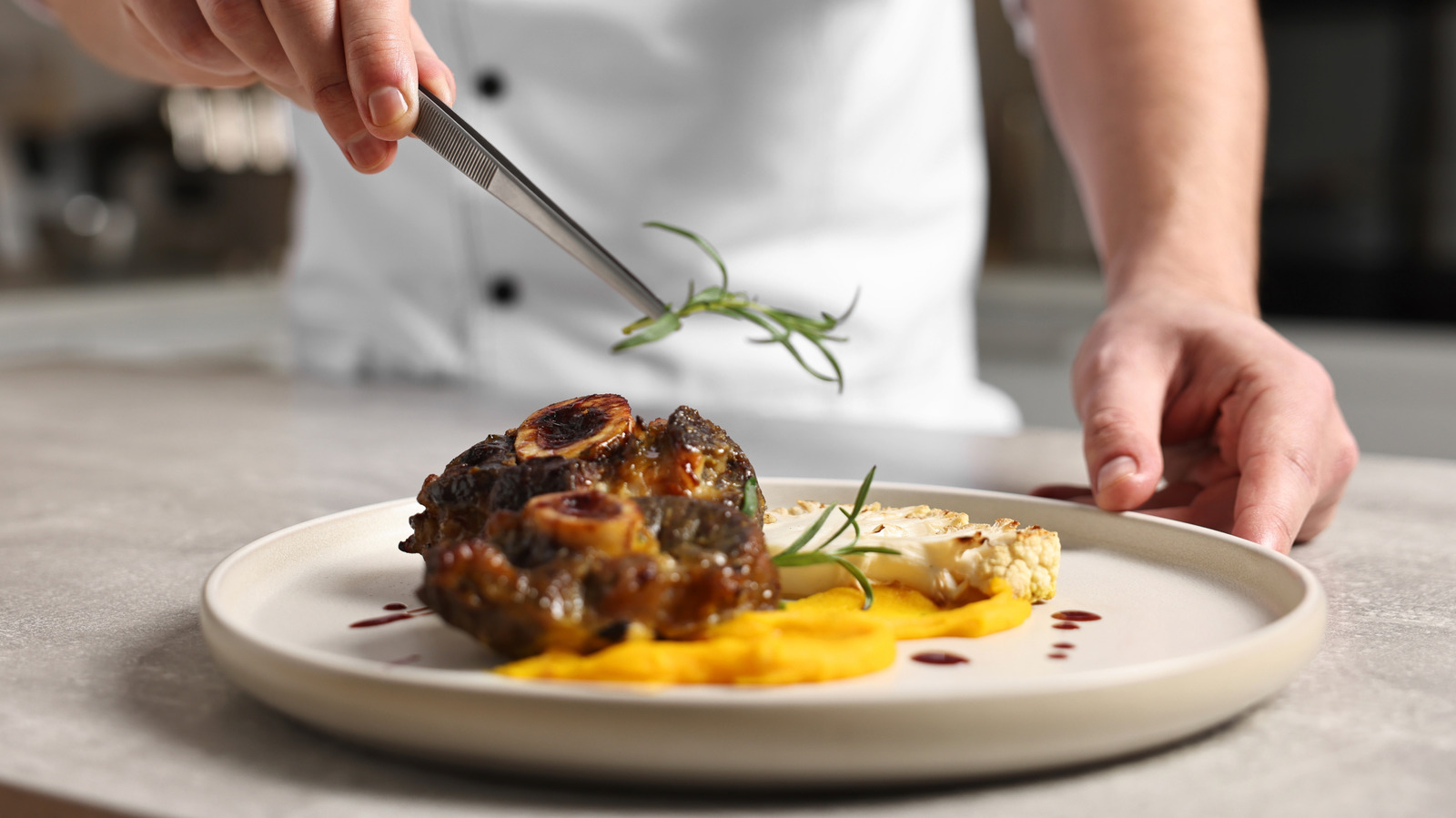
    Gourmet cooking isn’t just about taste but also presentation. Pay attention to plating by considering color, texture, and arrangement. Use garnishes and sauces artfully to enhance visual appeal. A beautifully presented dish enhances the dining experience, making your efforts memorable.

    8. Experiment with Techniques and Ingredients

    Gourmet cooking allows for creativity and experimentation. Try new recipes and incorporate diverse cuisines into your repertoire. Experiment with sous vide cooking or molecular gastronomy to explore innovative techniques that challenge traditional methods and expand your culinary skills.

    9. Host Practiced Tastings

    Invite friends or family for a tasting event where you can showcase new dishes and get feedback. This practice fosters culinary growth, allowing you to refine techniques and develop a signature style. Constructive feedback is invaluable for honing your skills and boosting confidence.

    10. Continuously Learn and Be Inspired

    Gourmet cooking is a journey of continuous learning. Read cookbooks, watch cooking shows, and take online courses to gain new knowledge and inspiration. Engage with culinary communities to share ideas and techniques. Staying curious and informed keeps your passion alive and your skills sharp.

    In conclusion, gourmet cooking like a professional chef involves mastering techniques, sourcing quality ingredients, and embracing creativity. By focusing on flavor, presentation, and continuous learning, you can elevate your home-cooked meals to new levels of sophistication. Enjoy the process and take pride in your culinary creations, as each dish reflects your dedication and passion for cooking.

  • Professional Chef Cooking Tips to Improve Your Kitchen Skills

    Professional Chef Cooking Tips to Improve Your Kitchen Skills

    Enhancing your kitchen skills not only boosts your confidence but also elevates the quality of the dishes you prepare. Professional chefs rely on key techniques and practices to create culinary masterpieces. Here are essential cooking tips to help you improve your skills in the kitchen.

    1. Master the Basics

    Start by mastering basic skills such as knife handling and fundamental cooking techniques. Learn how to dice, chop, and julienne vegetables efficiently, and practice essential methods like sautéing, roasting, and steaming. Proficiency in these basics provides a strong foundation for more complex culinary endeavors.

    2. Mise en Place

    Adopt the culinary practice of “mise en place,” which means “everything in its place.” Before cooking, prep ingredients by measuring, washing, and chopping them. Having everything organized and ready streamlines the cooking process, allowing you to focus on execution rather than scrambling for ingredients.

    3. Focus on Flavor Building

    Layering flavors is key to cooking like a professional chef. Use aromatics such as onions, garlic, and herbs early in the cooking process to impart depth to your dishes. Taste frequently and adjust seasonings as needed, balancing flavors with acidity, salt, sweetness, and spice.

    4. Use Quality Ingredients

    High-quality ingredients make a significant difference in the final outcome of your dishes. Whenever possible, select fresh, local, and seasonal produce, meats, and seafood. Invest in artisanal products, such as cheeses and oils, to elevate the flavors in your cooking.

    5. Cook with Precision

    Pay attention to cooking times and temperatures to achieve the desired results. Avoid overcrowding pans to ensure even cooking, and use a kitchen thermometer to ensure meats are cooked to perfection. Precision in timing and temperature control is crucial for achieving professional-quality results.

    6. Embrace the Art of Plating

    Presentation is an integral part of the dining experience. Take time to plate your dishes with care, considering color, texture, and composition. Use elements like garnishes and sauces to enhance visual appeal, making your meals look as enticing as they taste.

    7. Experiment with Herbs and Spices

    Herbs and spices are powerful tools for adding flavor and complexity to your dishes. Experiment with different combinations to discover new flavor profiles. Fresh herbs like basil, cilantro, and mint can brighten dishes, while spices like cumin, paprika, and cardamom add warmth and depth.

    8. Practice Mindful Cooking

    Mindful cooking involves paying attention to the process and engaging all your senses. Notice the aromas, tastes, and textures as you cook. This practice enhances your intuition and creativity in the kitchen, leading to more refined and innovative dishes.

    9. Continuous Learning

    Expand your culinary knowledge by trying new recipes, attending cooking classes, or watching cooking shows. Seeking inspiration from diverse cuisines broadens your culinary repertoire and fosters creativity. Continual learning keeps your skills sharp and your passion for cooking alive.

    10. Embrace Mistakes as Learning Opportunities

    Mistakes are inevitable, but they are valuable learning experiences. Analyze what went wrong and how you might improve next time. This approach helps refine your skills and encourages resilience and adaptability in the kitchen.

    In conclusion, improving your kitchen skills involves mastering basics, using quality ingredients, and embracing creativity. By focusing on techniques such as flavor-building, precision, and mindful cooking, you can elevate your culinary creations to professional standards. Embrace continuous learning and the art of presentation to create dishes that not only taste exquisite but also delight the senses, transforming your cooking into a rewarding experience.