Designing an effective restaurant menu is crucial for maximizing customer satisfaction and boosting sales. Here are strategies to create a menu that entices guests and encourages more orders.
1. Understand Your Brand and Audience
Align your menu with your restaurant’s brand identity and target audience. Consider factors such as cuisine type, dining style, and price range that resonate with your clientele. A clear understanding of your brand helps ensure menu cohesion and appeal.
2. Optimize Menu Layout
A strategically organized menu guides customers’ choices. Place high-margin items in the top right corner—where the eye naturally falls first—and use boxes or borders to highlight these dishes. Keep your menu concise to avoid overwhelming guests, focusing on quality over quantity.
3. Use Descriptive Language
Descriptive and appetizing language can elevate a dish and entice customers. Use sensory words to evoke taste, smell, and texture, creating a vivid image of the dish. Highlight unique ingredients or cooking techniques that set your menu items apart.
4. Implement Effective Pricing Strategies
Consider psychological pricing by using non-rounded figures, like $9.95 instead of $10, to make prices appear lower. Avoid dollar signs, which can emphasize cost over value. Group items into price tiers to encourage customers to try slightly more expensive dishes.
5. Highlight Signature and Seasonal Dishes
Emphasize signature and seasonal dishes that showcase your restaurant’s specialties and adapt to ingredient availability. Featuring seasonal items not only keeps the menu fresh but also appeals to customers seeking unique and timely offerings.
6. Incorporate Visuals
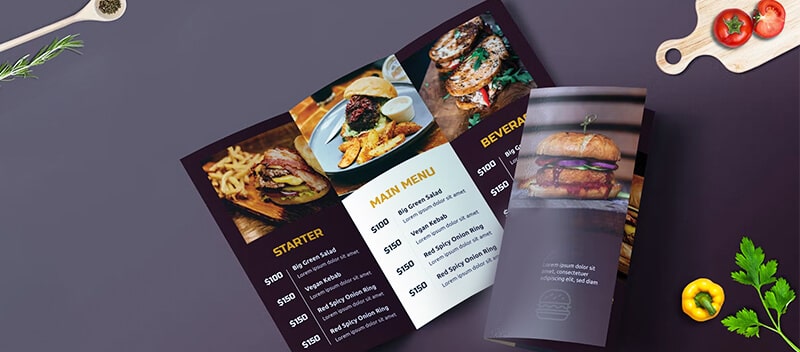
High-quality images can greatly enhance a menu’s appeal. Use professional photos to highlight popular or high-margin items. Avoid cluttering the menu with too many images; instead, strategically select visuals that best represent your brand and entice diners.
7. Offer Customization and Variety
Providing options for customization allows guests to tailor dishes to their preferences and dietary needs. Offer a variety of options, including vegetarian, vegan, and gluten-free dishes, to attract a broader customer base and accommodate diverse preferences.
8. Use Menu Engineering Techniques
Analyze the performance of each menu item to categorize them as stars, plowhorses, puzzles, or dogs. Use this information to make informed decisions about promotions, pricing adjustments, and menu deletions, optimizing overall profitability.
9. Keep the Menu Updated
Regularly review and update the menu to reflect changes in food trends, ingredient availability, and customer feedback. Rotate dishes to maintain customer interest and excitement, and ensure that the menu aligns with current culinary standards and preferences.
10. Train Staff Effectively
Ensure your staff is knowledgeable about the menu and capable of recommending dishes confidently. Train them to upsell by suggesting complementary items or specialties. A well-informed team enhances the dining experience, increasing customer satisfaction and order value.
By focusing on strategic layout, descriptive language, and menu optimization, you can create a menu that not only captivates guests but also boosts sales. A carefully crafted menu, aligned with brand identity and audience preferences, is a powerful tool for enhancing customer engagement and driving business success.