Blog

  • What Makes a Fine Dining Restaurant Experience Truly Exceptional

    What Makes a Fine Dining Restaurant Experience Truly Exceptional

    A fine dining restaurant experience goes beyond just enjoying a meal; it’s about engaging all the senses and creating unforgettable moments. Here’s what makes such an experience truly exceptional.

    1. Exquisite Cuisine

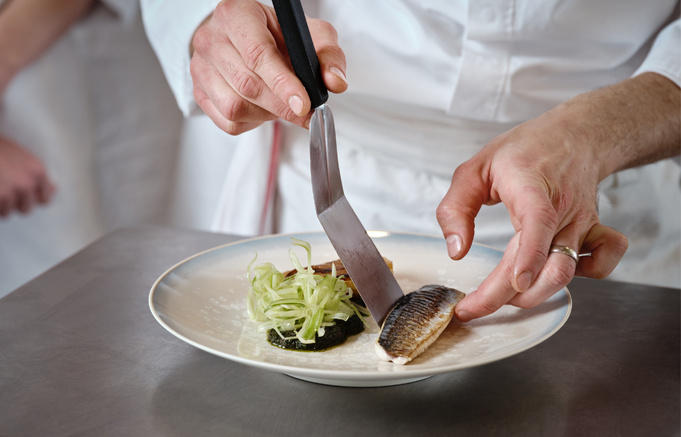
    Central to any fine dining experience is the quality of the food. Exceptional restaurants prioritize fresh, high-quality ingredients and innovative culinary techniques. The menu often features a curated selection of dishes that demonstrate creativity and mastery. Each plate is carefully crafted to balance flavors, textures, and presentation, allowing diners to savor each bite.

    2. Impeccable Service

    Service in a fine dining setting is characterized by professionalism, attentiveness, and discretion. Staff are trained extensively to anticipate guests’ needs without being intrusive, ensuring a seamless experience. From knowledgeable recommendations to personalized wine pairings, the staff’s expertise enhances the dining journey.

    3. Elegant Ambiance

    The atmosphere in a fine dining restaurant is meticulously curated to evoke a sense of luxury and refinement. Attention to detail in décor, lighting, and table settings creates a welcoming and sophisticated environment. The ambiance sets the tone for an upscale experience, encouraging guests to relax and indulge.

    4. Attention to Detail

    In fine dining, attention to detail is paramount. From the selection of high-quality tableware and linens to the precise presentation of each dish, every element is thoughtfully considered. This meticulous attention contributes to the overall experience, making guests feel valued and pampered.

    5. Unique Culinary Techniques

    Fine dining establishments often employ unique culinary techniques to create exceptional dishes. Whether through molecular gastronomy, sous-vide cooking, or deconstructed classics, these techniques add intrigue and depth to the menu. Such innovation showcases the chef’s skill and creativity, leaving a lasting impression on diners.

    6. Exceptional Wine and Beverage Pairings

    A carefully curated wine and beverage list complements the menu, enhancing flavors and elevating the dining experience. Knowledgeable sommeliers guide guests through selections, offering pairings that harmonize with specific dishes. This thoughtful pairing transforms a meal into a harmonious sensory journey.

    7. Personalization

    Fine dining experiences are often tailored to the individual preferences of each guest. Whether accommodating dietary restrictions or celebrating special occasions, personalized touches make guests feel important and appreciated. This level of personal attention creates a memorable and individualized experience.

    8. A Journey of Discovery

    Fine dining can be an exploration of new flavors, techniques, and cultures. Chefs often incorporate local ingredients, global influences, and storytelling elements into their menus. This journey of culinary discovery offers diners a chance to expand their palate and appreciation for diverse cuisines.

    9. Unhurried Experience

    In fine dining, the pace is deliberate and unhurried, allowing guests to savor each course without feeling rushed. This leisurely pace encourages conversation and reflection, enhancing the overall enjoyment. The focus is on creating a relaxed and engaging experience that encourages guests to fully immerse themselves.

    10. Memorable Final Touches

    A truly exceptional fine dining experience often concludes with memorable final touches, such as a visit from the chef or a complimentary treat. These gestures leave a lasting positive impression, ensuring that guests leave with a sense of satisfaction and delight.

    In conclusion, a fine dining experience is a symphony of culinary excellence, attentive service, and elegant ambiance. By focusing on these key elements, restaurants create an extraordinary experience that delights all the senses and leaves lasting memories. Whether celebrating a special occasion or enjoying an evening of indulgence, fine dining offers a unique and exceptional culinary adventure.
  • How to Create a Restaurant Menu That Increases Customer Orders

    How to Create a Restaurant Menu That Increases Customer Orders

    Designing an effective restaurant menu is crucial for maximizing customer satisfaction and boosting sales. Here are strategies to create a menu that entices guests and encourages more orders.

    1. Understand Your Brand and Audience

    Align your menu with your restaurant’s brand identity and target audience. Consider factors such as cuisine type, dining style, and price range that resonate with your clientele. A clear understanding of your brand helps ensure menu cohesion and appeal.

    2. Optimize Menu Layout

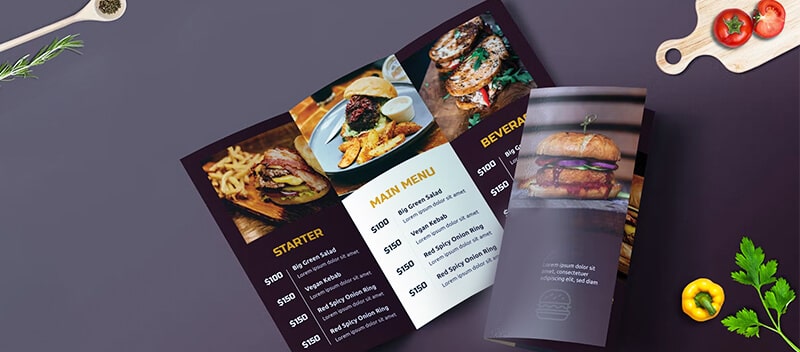
    A strategically organized menu guides customers’ choices. Place high-margin items in the top right corner—where the eye naturally falls first—and use boxes or borders to highlight these dishes. Keep your menu concise to avoid overwhelming guests, focusing on quality over quantity.

    3. Use Descriptive Language

    Descriptive and appetizing language can elevate a dish and entice customers. Use sensory words to evoke taste, smell, and texture, creating a vivid image of the dish. Highlight unique ingredients or cooking techniques that set your menu items apart.

    4. Implement Effective Pricing Strategies

    Consider psychological pricing by using non-rounded figures, like $9.95 instead of $10, to make prices appear lower. Avoid dollar signs, which can emphasize cost over value. Group items into price tiers to encourage customers to try slightly more expensive dishes.

    5. Highlight Signature and Seasonal Dishes

    Emphasize signature and seasonal dishes that showcase your restaurant’s specialties and adapt to ingredient availability. Featuring seasonal items not only keeps the menu fresh but also appeals to customers seeking unique and timely offerings.

    6. Incorporate Visuals

    High-quality images can greatly enhance a menu’s appeal. Use professional photos to highlight popular or high-margin items. Avoid cluttering the menu with too many images; instead, strategically select visuals that best represent your brand and entice diners.

    7. Offer Customization and Variety

    Providing options for customization allows guests to tailor dishes to their preferences and dietary needs. Offer a variety of options, including vegetarian, vegan, and gluten-free dishes, to attract a broader customer base and accommodate diverse preferences.

    8. Use Menu Engineering Techniques

    Analyze the performance of each menu item to categorize them as stars, plowhorses, puzzles, or dogs. Use this information to make informed decisions about promotions, pricing adjustments, and menu deletions, optimizing overall profitability.

    9. Keep the Menu Updated

    Regularly review and update the menu to reflect changes in food trends, ingredient availability, and customer feedback. Rotate dishes to maintain customer interest and excitement, and ensure that the menu aligns with current culinary standards and preferences.

    10. Train Staff Effectively

    Ensure your staff is knowledgeable about the menu and capable of recommending dishes confidently. Train them to upsell by suggesting complementary items or specialties. A well-informed team enhances the dining experience, increasing customer satisfaction and order value.

    By focusing on strategic layout, descriptive language, and menu optimization, you can create a menu that not only captivates guests but also boosts sales. A carefully crafted menu, aligned with brand identity and audience preferences, is a powerful tool for enhancing customer engagement and driving business success.

  • A Beginner’s Guide to Gourmet Cooking Like a Professional Chef

    A Beginner’s Guide to Gourmet Cooking Like a Professional Chef

    Stepping into the world of gourmet cooking might seem intimidating, but with the right approach and techniques, you can elevate your culinary skills to create restaurant-quality dishes at home. Here’s a beginner’s guide to cooking like a professional chef.

    1. Master Basic Techniques

    Begin by mastering fundamental cooking techniques such as sautéing, roasting, grilling, and poaching. Understanding these basics provides a strong foundation for more complex recipes. Practice knife skills to efficiently chop and dice ingredients, ensuring uniform cooking and professional presentation.

    2. Invest in Quality Tools

    Quality kitchen tools can significantly improve your cooking experience. Invest in a good chef’s knife, sturdy pans, and essential gadgets like a food processor or stand mixer. Proper tools not only enhance precision but also make the cooking process more enjoyable.

    3. Source Fresh, High-Quality Ingredients

    Great dishes start with excellent ingredients. Source fresh, seasonal produce, and high-quality meats and seafood. Visit local markets to find the best selections and build relationships with vendors. Quality ingredients provide richer flavors and textures, elevating your dishes to gourmet standards.

    4. Understand Flavor Profiles

    Develop a keen sense of flavor by experimenting with different herbs, spices, and seasonings. Learn how to balance flavors—sweet, salty, sour, bitter, and umami—to create harmony in your dishes. Taste as you cook and adjust seasonings accordingly to achieve the desired depth of flavor.

    5. Embrace Mise en Place

    Adopt the practice of mise en place, which means “everything in its place.” Before starting to cook, prepare and organize all your ingredients. This approach reduces stress during cooking and allows you to focus on technique and timing, resulting in more refined dishes.

    6. Learn About Sauce Making

    Sauté pans, stand mixers, and electronic thermometers are essential for crafting sauces that enhance your dishes. Master basic sauces like béchamel, velouté, and hollandaise, and learn how to create reductions and emulsions. Sauces can transform a simple dish into a gourmet experience.

    7. Focus on Presentation

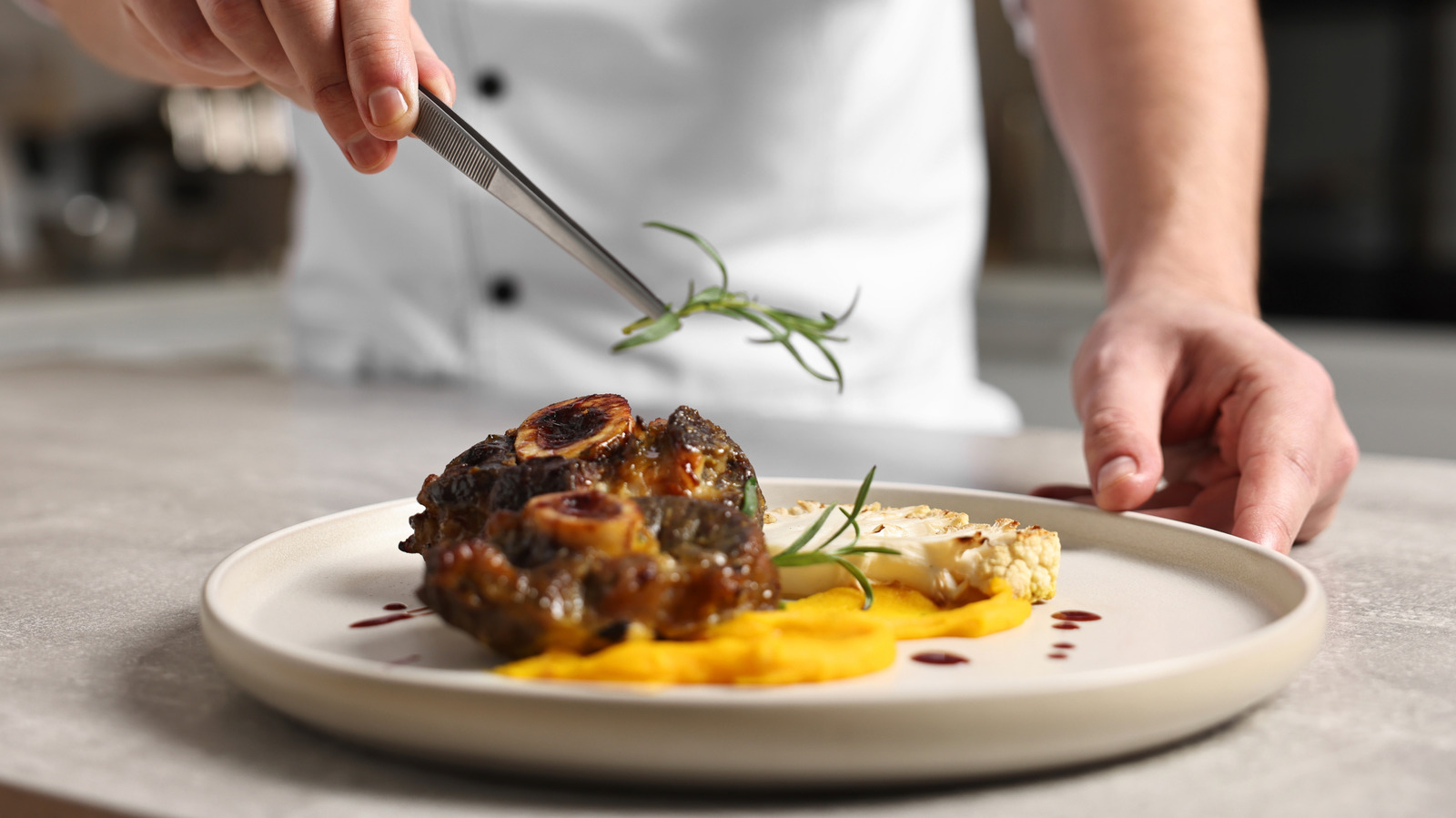
    Gourmet cooking isn’t just about taste but also presentation. Pay attention to plating by considering color, texture, and arrangement. Use garnishes and sauces artfully to enhance visual appeal. A beautifully presented dish enhances the dining experience, making your efforts memorable.

    8. Experiment with Techniques and Ingredients

    Gourmet cooking allows for creativity and experimentation. Try new recipes and incorporate diverse cuisines into your repertoire. Experiment with sous vide cooking or molecular gastronomy to explore innovative techniques that challenge traditional methods and expand your culinary skills.

    9. Host Practiced Tastings

    Invite friends or family for a tasting event where you can showcase new dishes and get feedback. This practice fosters culinary growth, allowing you to refine techniques and develop a signature style. Constructive feedback is invaluable for honing your skills and boosting confidence.

    10. Continuously Learn and Be Inspired

    Gourmet cooking is a journey of continuous learning. Read cookbooks, watch cooking shows, and take online courses to gain new knowledge and inspiration. Engage with culinary communities to share ideas and techniques. Staying curious and informed keeps your passion alive and your skills sharp.

    In conclusion, gourmet cooking like a professional chef involves mastering techniques, sourcing quality ingredients, and embracing creativity. By focusing on flavor, presentation, and continuous learning, you can elevate your home-cooked meals to new levels of sophistication. Enjoy the process and take pride in your culinary creations, as each dish reflects your dedication and passion for cooking.

  • 10 Smart Restaurant Marketing Strategies to Attract More Customers

    10 Smart Restaurant Marketing Strategies to Attract More Customers

    Creating effective marketing strategies is essential for restaurants looking to attract new customers and maintain a loyal clientele. Here are ten smart strategies to boost your restaurant’s visibility and appeal.

    1. Leverage Social Media

    Utilize platforms like Instagram, Facebook, and Twitter to showcase your menu, share behind-the-scenes content, and engage with your audience. Regularly posting mouth-watering photos, customer testimonials, and event updates can increase your reach and attract new followers.

    2. Optimize Your Website

    Ensure your website is user-friendly, mobile-optimized, and informative. Include high-quality images, an online menu, and easy-to-find contact information. Incorporate SEO practices to improve search engine rankings and drive more traffic to your site.

    3. Offer Online Reservations and Orders

    Provide online booking and ordering options to cater to convenience-seeking customers. Partner with delivery platforms to expand your reach, and integrate these services seamlessly into your website and social media channels.

    4. Implement a Loyalty Program

    Create a loyalty program that rewards repeat customers with discounts, free items, or exclusive offers. This strategy encourages repeat visits and helps build a loyal customer base. Digital loyalty apps can simplify the process and attract tech-savvy patrons.

    5. Host Events and Collaborations

    Organize events like themed nights, cooking classes, or wine tastings to draw crowds. Collaborate with local businesses, influencers, or chefs for special events, creating buzz and attracting new customers through cross-promotions.

    6. Engage in Local SEO

    Optimize your restaurant’s presence in local searches by claiming and updating your Google My Business listing. Encourage satisfied customers to leave positive reviews, which can improve your local SEO rankings and attract nearby diners.

    7. Utilize Email Marketing

    Build an email list and send regular newsletters with updates, promotions, and exclusive offers. Personalize content to keep subscribers engaged and feeling valued. Email marketing is an effective way to maintain customer relationships and promote new offerings.

    8. Offer Limited-Time Promotions

    Create limited-time promotions to create urgency and draw in customers. Specials, discounts, or exclusive menu items can generate excitement and encourage both regular and new diners to visit within the set timeframe.

    9. Focus on Exceptional Customer Service

    Deliver outstanding customer service to foster positive word-of-mouth marketing. Train staff to provide personable and attentive service, as happy customers are more likely to recommend your restaurant to others.

    10. Highlight Sustainability and Unique Selling Points

    If your restaurant emphasizes sustainability, locally sourced ingredients, or unique culinary techniques, make it central to your marketing message. Differentiating yourself from competitors by highlighting your unique selling points attracts customers seeking authenticity and quality.

    By implementing these marketing strategies, restaurants can enhance their visibility, attract more customers, and foster loyalty. A well-rounded marketing approach that embraces both digital and traditional methods ensures consistent growth and success in the competitive restaurant industry.

  • Essential Restaurant Management Tips for Running a Successful Business

    Essential Restaurant Management Tips for Running a Successful Business

    Running a successful restaurant requires more than just great food. It involves effective management practices, customer service, and strategic planning. Here are essential tips to help you manage your restaurant business effectively.

    1. Prioritize Quality and Consistency

    Delivering high-quality dishes consistently is crucial for building a loyal customer base. Regularly review your menu offerings, sourcing fresh and seasonal ingredients. Train your kitchen staff to maintain consistency in taste and presentation, ensuring every dish meets your standards.

    2. Cultivate a Positive Work Environment

    A positive work environment encourages productivity and reduces staff turnover. Foster open communication, provide ongoing training, and recognize employees for their contributions. Building a strong team culture enhances morale and service quality.

    3. Focus on Exceptional Customer Service

    Outstanding customer service can set your restaurant apart. Train staff to be attentive, courteous, and knowledgeable about the menu. Encourage them to engage with customers, addressing concerns promptly and professionally. A memorable dining experience often leads to repeat visits and positive word-of-mouth referrals.

    4. Implement Effective Marketing Strategies

    Utilize both traditional and digital marketing to attract new customers and retain existing ones. Develop a social media presence to showcase your dishes and engage with your audience. Consider loyalty programs, special promotions, and events to keep customers interested and coming back.

    5. Manage Finances Wisely

    Effective financial management is key to a restaurant’s success. Monitor expenses closely, from ingredient costs to labor, and ensure efficient inventory management. Regularly review financial statements and adjust operations to maintain profitability. Investing in accounting software can simplify financial tracking and reporting.

    6. Optimize Operations for Efficiency

    Streamline operations to improve efficiency and reduce waste. Implement clear procedures and train staff to follow them. Ensure your kitchen layout facilitates smooth workflows, and regularly assess your equipment for efficiency. Efficient operations lead to faster service and reduced costs.

    7. Gather and Respond to Feedback

    Customer feedback is invaluable for improvement. Encourage patrons to share their experiences through surveys or online reviews. Respond to feedback, both positive and negative, to demonstrate that you value customer input and are committed to enhancing their experience.

    8. Stay Compliant with Regulations

    Stay informed about industry regulations and ensure compliance with health, safety, and labor laws. Regularly review your practices and update procedures to align with legal requirements. Compliance not only avoids legal issues but also ensures a safe and welcoming environment for staff and guests.

    9. Embrace Technology

    Integrating technology can enhance efficiency and customer experience. Consider using digital reservation systems, POS systems, and inventory management tools. Technology can also help with marketing, such as email campaigns and targeted ads.

    10. Adapt to Market Trends

    The restaurant industry is dynamic, with trends constantly evolving. Stay informed about market changes and adapt your offerings accordingly. Whether it’s incorporating plant-based dishes or offering online delivery, being flexible and responsive to trends can keep your restaurant relevant and competitive.

    In conclusion, successful restaurant management requires a combination of quality, customer service, and strategic planning. By focusing on these essential tips, you can create a thriving business that delights customers and stands out in the competitive restaurant industry. A commitment to excellence, innovation, and adaptability will help sustain your restaurant’s success over time.

  • Professional Chef Cooking Tips to Improve Your Kitchen Skills

    Professional Chef Cooking Tips to Improve Your Kitchen Skills

    Enhancing your kitchen skills not only boosts your confidence but also elevates the quality of the dishes you prepare. Professional chefs rely on key techniques and practices to create culinary masterpieces. Here are essential cooking tips to help you improve your skills in the kitchen.

    1. Master the Basics

    Start by mastering basic skills such as knife handling and fundamental cooking techniques. Learn how to dice, chop, and julienne vegetables efficiently, and practice essential methods like sautéing, roasting, and steaming. Proficiency in these basics provides a strong foundation for more complex culinary endeavors.

    2. Mise en Place

    Adopt the culinary practice of “mise en place,” which means “everything in its place.” Before cooking, prep ingredients by measuring, washing, and chopping them. Having everything organized and ready streamlines the cooking process, allowing you to focus on execution rather than scrambling for ingredients.

    3. Focus on Flavor Building

    Layering flavors is key to cooking like a professional chef. Use aromatics such as onions, garlic, and herbs early in the cooking process to impart depth to your dishes. Taste frequently and adjust seasonings as needed, balancing flavors with acidity, salt, sweetness, and spice.

    4. Use Quality Ingredients

    High-quality ingredients make a significant difference in the final outcome of your dishes. Whenever possible, select fresh, local, and seasonal produce, meats, and seafood. Invest in artisanal products, such as cheeses and oils, to elevate the flavors in your cooking.

    5. Cook with Precision

    Pay attention to cooking times and temperatures to achieve the desired results. Avoid overcrowding pans to ensure even cooking, and use a kitchen thermometer to ensure meats are cooked to perfection. Precision in timing and temperature control is crucial for achieving professional-quality results.

    6. Embrace the Art of Plating

    Presentation is an integral part of the dining experience. Take time to plate your dishes with care, considering color, texture, and composition. Use elements like garnishes and sauces to enhance visual appeal, making your meals look as enticing as they taste.

    7. Experiment with Herbs and Spices

    Herbs and spices are powerful tools for adding flavor and complexity to your dishes. Experiment with different combinations to discover new flavor profiles. Fresh herbs like basil, cilantro, and mint can brighten dishes, while spices like cumin, paprika, and cardamom add warmth and depth.

    8. Practice Mindful Cooking

    Mindful cooking involves paying attention to the process and engaging all your senses. Notice the aromas, tastes, and textures as you cook. This practice enhances your intuition and creativity in the kitchen, leading to more refined and innovative dishes.

    9. Continuous Learning

    Expand your culinary knowledge by trying new recipes, attending cooking classes, or watching cooking shows. Seeking inspiration from diverse cuisines broadens your culinary repertoire and fosters creativity. Continual learning keeps your skills sharp and your passion for cooking alive.

    10. Embrace Mistakes as Learning Opportunities

    Mistakes are inevitable, but they are valuable learning experiences. Analyze what went wrong and how you might improve next time. This approach helps refine your skills and encourages resilience and adaptability in the kitchen.

    In conclusion, improving your kitchen skills involves mastering basics, using quality ingredients, and embracing creativity. By focusing on techniques such as flavor-building, precision, and mindful cooking, you can elevate your culinary creations to professional standards. Embrace continuous learning and the art of presentation to create dishes that not only taste exquisite but also delight the senses, transforming your cooking into a rewarding experience.